 By
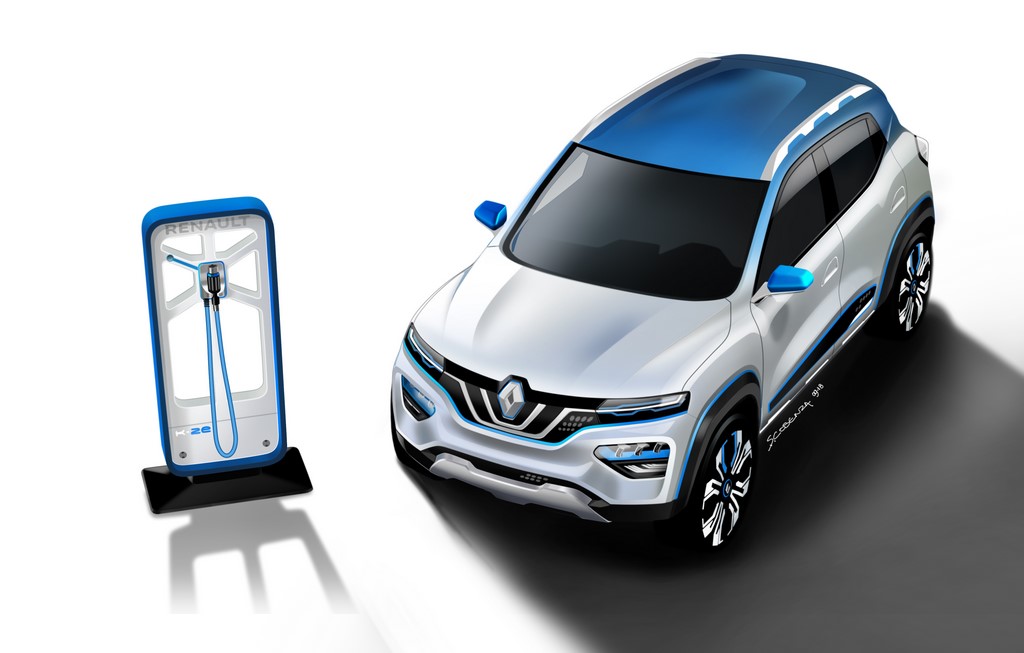
Renault is making significant strides in the electric vehicle (EV) market with its latest endeavour: the development of the Kwid EV, set to be priced under 10 lakh rupees. The company’s push towards sustainable mobility is evident as it gears up to launch the Kwid EV in India within the next 12 to 18 months. The foundation for this exciting venture is the well-established Kwid platform, which Renault has modified and enhanced to accommodate the demands of an electric powertrain. While the Kwid EV will retain some design elements from its conventional counterpart, expect to see distinctive alterations in its appearance, including revised bumpers, lights, and grille to exude an unmistakable EV character.
To adapt Kwid’s architecture for electrification, Renault has undertaken substantial changes. In international markets, the ICE components like the rear-mounted fuel tank have been replaced, resulting in a flat floor layout primed to house a heavy battery. The suspension system has also been revamped to handle the additional weight and ensure a smooth driving experience. Underpinning the Kwid EV’s structure is the CMF-A platform, offering a solid foundation for electric mobility. Though the exact launch date is yet to be finalized, enthusiasts can anticipate the arrival of the Kwid EV in either 2024 or 2025. Renault’s commitment to meeting this timeline while maintaining quality is evident, as they strive to localize up to 55-60 per cent of the EV’s components for its initial launch.
One crucial aspect of Renault’s strategy is the emphasis on local sourcing of batteries and cells. By tapping into domestic resources, the company aims to reduce costs and enhance the accessibility of its EVs. This strategy aligns with their broader vision of increasing EV adoption across the country. Renault’s venture into the sub-10 lakh EV segment with the Kwid EV showcases its determination to provide affordable yet sustainable transportation solutions. As the Indian automotive landscape embraces electrification, Renault’s innovative efforts are poised to contribute significantly to the EV revolution, setting the stage for a greener and more eco-conscious future.