 By
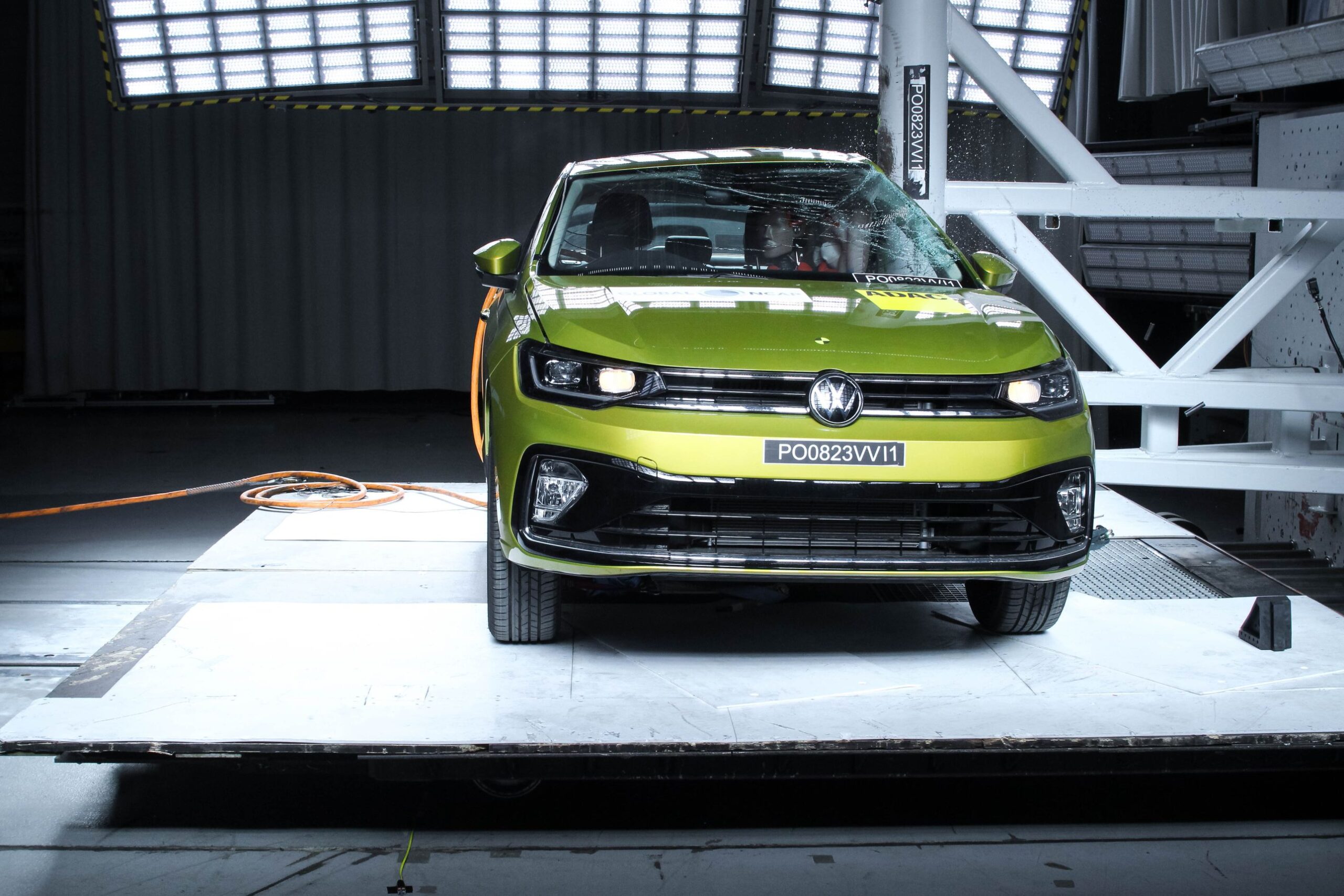
In a significant move that underscores a unified approach towards vehicular safety in India, Global NCAP has announced the conclusion of its Safer Cars for India campaign by December 2023. The decision comes in tandem with the launch of Bharat NCAP, marking the 10th NCAP program globally, and seeks to eliminate any potential confusion among consumers while promoting a cohesive stance on vehicle safety. Launched in 2013, Global NCAP’s Safer Cars for India initiative has been instrumental in advocating for safer vehicles on Indian roads. Over the past decade, more than 50 models underwent rigorous crash tests, culminating in a total of 62 tests. The primary focus was to assess the build quality and safety features of passenger vehicles manufactured in India.
As Bharat NCAP gains momentum and prepares for its official launch this October, Global NCAP has opted for a strategic alignment by concluding its Safer Cars for India campaign by the end of this year. David Ward, representing Global NCAP, emphasized that their intention is not to compete with Bharat NCAP but rather to lend support. He stated, “We absolutely don’t want to be seen as a rival programme to Bharat NCAP.” To facilitate this transition, Global NCAP has entered into a Memorandum of Understanding (MoU) with the Central Institute for Road Transport (CIRT), the technical secretariat to the Ministry of Road Transport and Highways (MoRTH). This MoU establishes a framework for cooperation, akin to Global NCAP’s relationships with other NCAP programs worldwide.

Under the MoU, Global NCAP will provide technical support, drawing from its extensive decade-long experience in vehicle testing. This support encompasses sharing Standard Operating Procedures (SoPs), best practices, and technical insights. It also extends to guidance on vehicle selection for testing, inspection of tests, and strategies for communicating test results. Additionally, the MoU addresses the responsible use of test results by manufacturers in their advertisements, aiming to prevent potential misuse of safety ratings. In conclusion, Global NCAP’s decision to cease testing Indian cars heralds a new era of collaboration between global and national vehicle safety assessment programs. The move symbolizes a harmonious effort toward enhancing road safety and ensuring that consumers make informed decisions about the safety of their vehicles.