 By
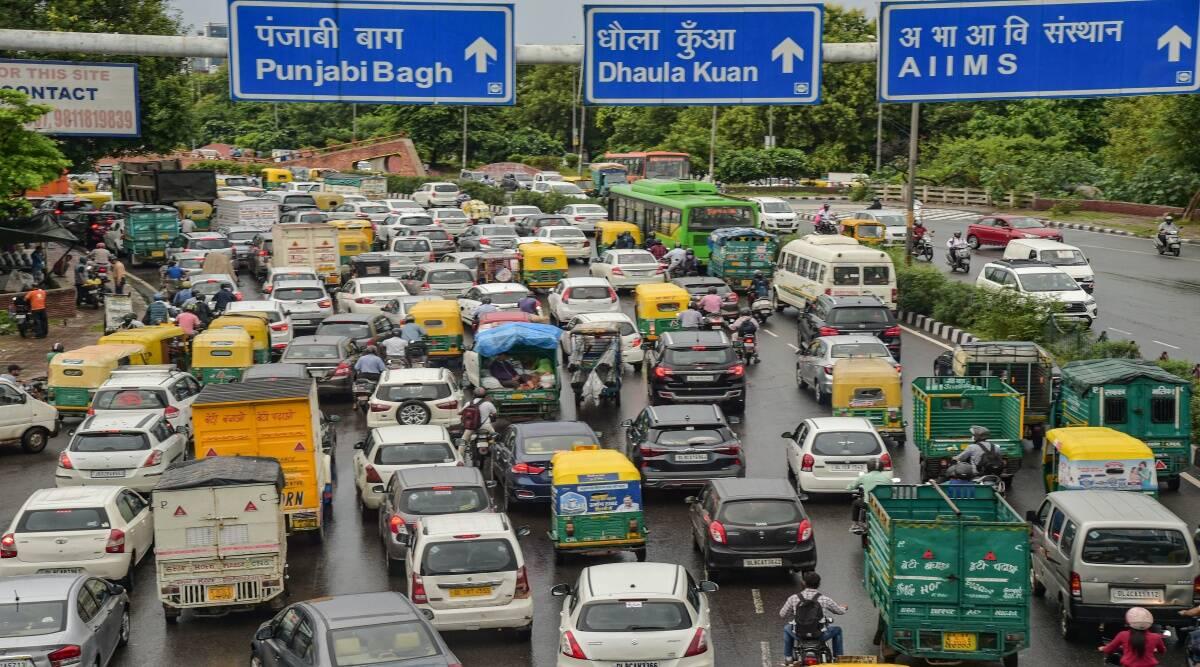
The Indian capital, Delhi, is facing an alarming air quality crisis, prompting the government to take drastic measures to combat pollution and protect public health. The Delhi Transport Department has recently issued a ban on all Bharat Stage-III (BS3) petrol and Bharat Stage-IV (BS4) diesel vehicles until further notice. This move comes as air quality levels in the city have continued to deteriorate, with the Air Quality Index (AQI) reaching ‘Severe’ levels. The ban affects all BS3 petrol and BS4 diesel Light Motor Vehicles (LMVs) and is effective immediately, with only a few exceptions. Vehicles used for Emergency Services, Police vehicles, and government vehicles involved in enforcement activities are exempt from the restriction.
To enforce this ban and discourage non-compliance, the Delhi government has also issued a stern warning. Vehicle owners who violate this order will face prosecution under Section 194(1) of the Motor Vehicle Act, 1988, which carries a substantial fine of Rs 20,000. This financial penalty is intended to act as a deterrent against the operation of prohibited vehicles, emphasizing the severity of the air quality situation. This decision comes after the government invoked Stage III of the Graded Response Action Plan (GRAP) in the National Capital Region (NCR).
The GRAP is a set of measures and actions designed to address air pollution emergencies. It’s clear that the authorities are taking the ongoing air quality crisis seriously and are prepared to take tough measures to curb the pollution levels. The ban on BS3 petrol and BS4 diesel vehicles is seen as a vital step towards reducing emissions and improving air quality in the city. It aligns with broader efforts to transition towards cleaner and more environmentally friendly transportation options, reflecting the growing global concern over air pollution and its impact on public health.