 By
In a significant move to increase the electric vehicle (EV) ecosystem in India, the Ministry of Heavy Industries has unveiled the Electric Mobility Promotion Scheme 2024. This scheme, with an outlay of Rs 500 crore, aims to provide continued subsidies for electric two and three-wheelers, settling the uncertainties looming around the future of incentives for electric vehicles. The scheme, valid for four months starting from April 1 to July 31, steps in following the conclusion of the second phase of the FAME (Faster Adoption and Manufacturing of (Hybrid and) Electric Vehicle) scheme on March 31. FAME II, launched in 2019 with a budget of Rs 10,000 crore, had its tenure extended to March 2024 and saw a recent increment of Rs 1,500 crore.
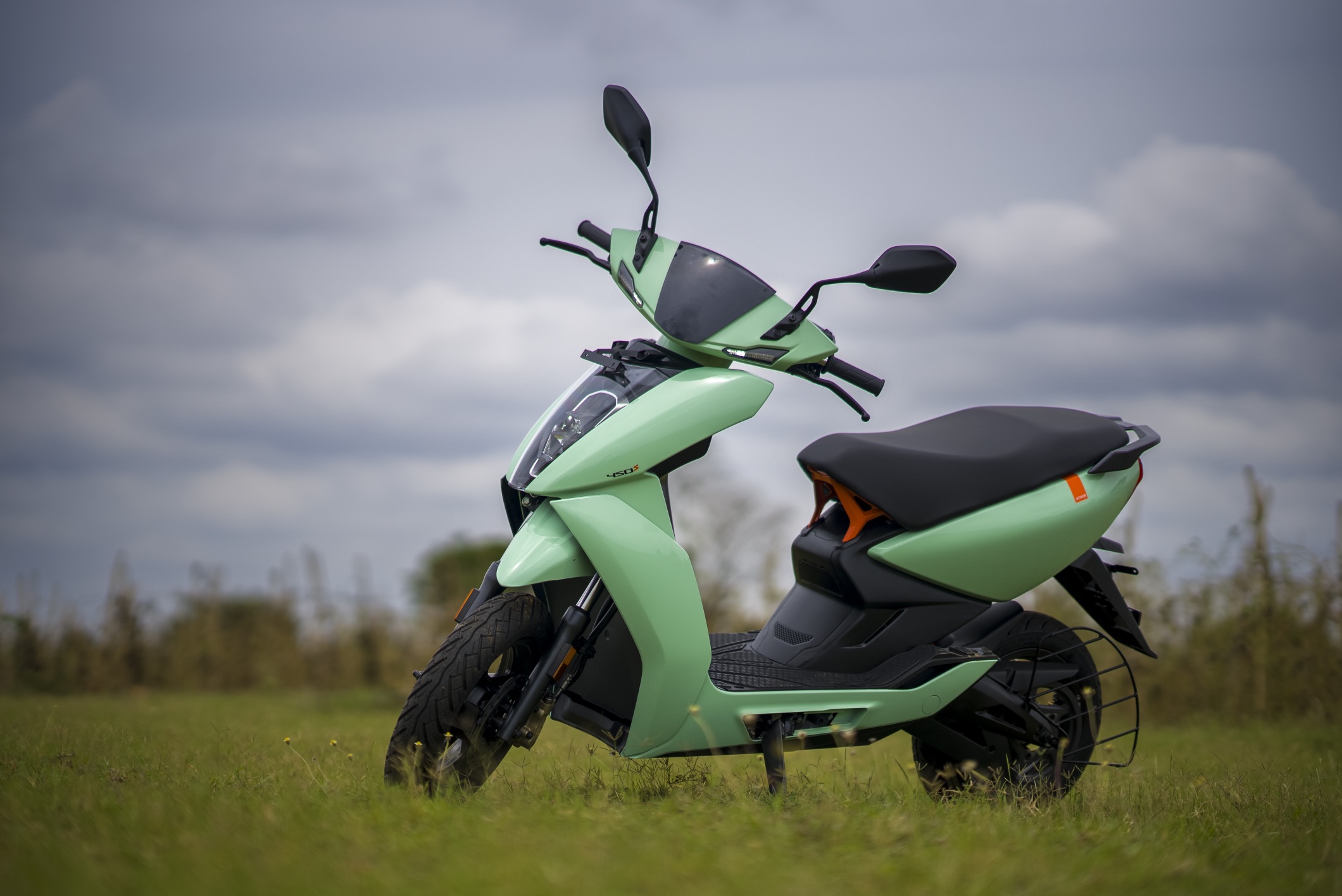
With a focus on promoting affordable and eco-friendly public transportation, the Electric Mobility Promotion Scheme primarily targets electric two and three-wheelers registered for commercial use. However, privately or corporate-owned electric two-wheelers are also eligible for incentives under this scheme, broadening its scope. The scheme aims to support a total of 3.72 lakh electric vehicles, comprising 3.33 lakh two-wheelers and 38,828 three-wheelers. Subsidies under the scheme are structured based on the vehicle category, with electric two-wheelers receiving a subsidy of Rs 5,000 per kilowatt-hour (kWh), capped at Rs 10,000 per vehicle.
Similarly, three-wheelers and carts will receive subsidies of Rs 5,000 per kWh, with a maximum limit of Rs 25,000 per vehicle. The introduction of this scheme comes as a relief to the EV industry, which was grappling with uncertainty regarding subsidy continuance. Early-stage adoption of electric vehicles in the country has heavily relied on subsidies, particularly for two and three-wheelers. Minister of Heavy Industries, Mahendra Nath Pandey, emphasized the government’s commitment to electric mobility and its support for the EV sector. However, it’s noteworthy that the scheme currently excludes electric buses and four-wheelers. Yet, the possibility of an extension or a third phase under FAME might be on the horizon when the government unveils the full budget for the financial year 2025 in July.