 By
Maruti is celebrating a significant milestone as it proudly announces the sale of over 10 lakh cars and SUVs equipped with automatic transmissions in the country. With this achievement, Maruti asserts its dominance as India’s leading manufacturer of automatic transmission-equipped vehicles. A remarkable statistic is that 65 percent of these automatic Maruti vehicles are equipped with Automated Manual Transmissions (AMTs), a testament to their popularity and accessibility. Maruti Suzuki currently offers a diverse range of automatic gearboxes, encompassing four variants: AMT, 4-speed torque converter, 6-speed torque converter, and e-CVT, seamlessly integrated across 16 models within their lineup.
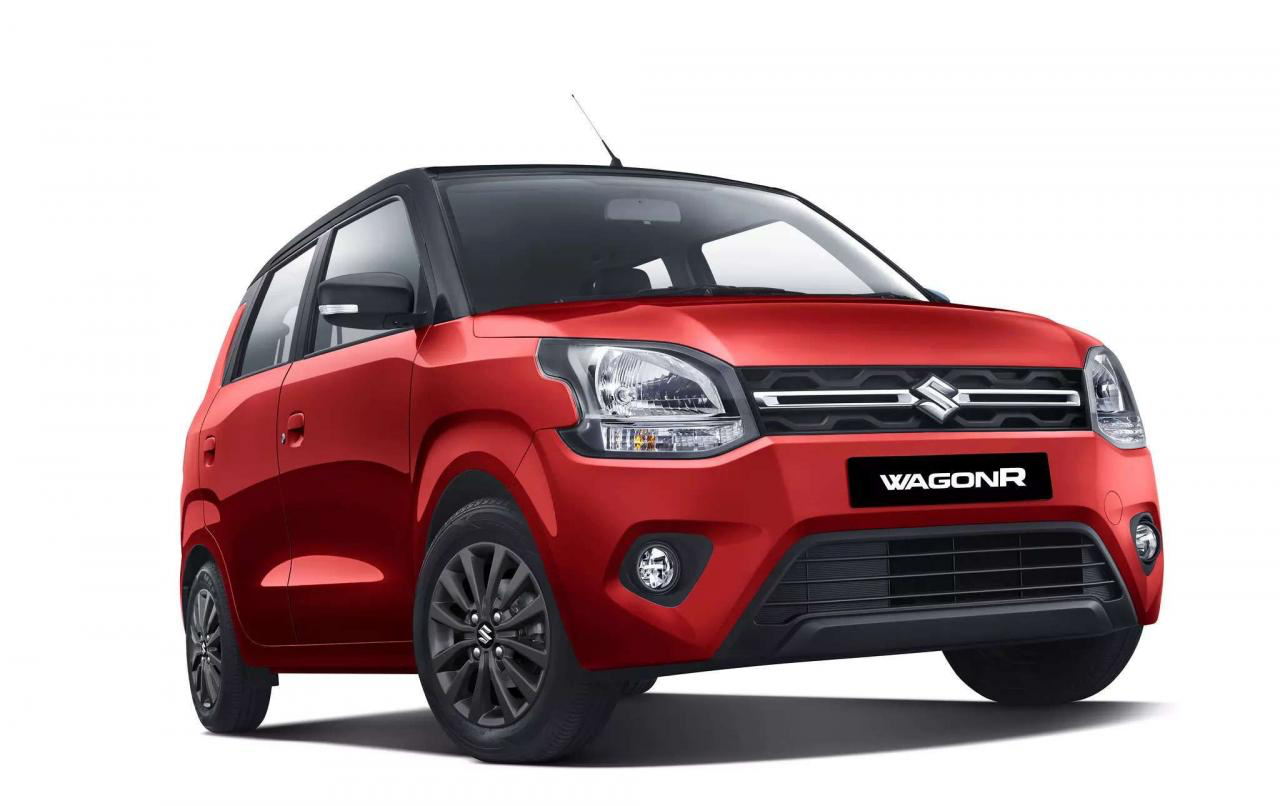
Breaking down the distribution of these automatic vehicles, the AMT variant claims the lion’s share at 65 percent, with torque converters following at 27 percent, while e-CVT garners the remaining 8 percent. Maruti’s retail channels have played a pivotal role in this success story. The premium Nexa chain of dealerships, housing models like the Grand Vitara, Baleno, and XL6, accounts for 58 percent of automatic sales. The remaining 42 percent is attributed to the Arena dealerships, which retail models such as the Alto K10, Wagon R, Swift, and Brezza, among others.
It’s noteworthy that the demand for automatic models is surging across various regions, with hotspots in the Delhi and NCR region, Maharashtra, Tamil Nadu, Karnataka, Andhra Pradesh, Telangana, and Kerala. These areas reflect the shifting trends in the Indian automotive market, where automatic transmissions are gaining significant traction. Maruti anticipates reaching nearly one lakh sales of automatic cars in this financial year, constituting 15 percent of their overall sales. This substantial figure serves as a clear indication of the burgeoning preference for automatic transmissions in India. As the automotive landscape continues to evolve, Maruti’s commitment to offering a wide range of automatic options positions them as a frontrunner in catering to the evolving preferences of Indian consumers.