 By
Hyundai India is setting its sights on a safer future for Indian roads, with plans to equip all its models with advanced safety technology and connectivity features by 2025. This bold move follows the recent standardization of six airbags across its lineup, demonstrating Hyundai’s commitment to enhancing safety in its vehicles. One of the key highlights of this initiative is the inclusion of Advanced Driver Assistance Systems (ADAS) and Bluelink connectivity technology. While ADAS is currently available as standard on one Hyundai India model, the company intends to make it available as an option across its entire range. ADAS encompasses vital safety features like Electronic Stability Control (ESC), Vehicle Stability Management (VSM), and Hill-start Assist, which have proven highly effective in accident prevention.
Hyundai India has already taken a significant step by offering ADAS in five of its models, with a goal of achieving 60 per cent ADAS integration in its portfolio by 2024. The company aims to democratize advanced safety features, making them accessible to a wider range of customers. Tarun Garg, COO of Hyundai Motor India, expressed the company’s commitment to safety and connectivity. Hyundai’s introduction of Bluelink-connected car technology in 2019 was a significant milestone, providing features like stolen vehicle tracking, geo-fencing, SOS, and emergency assistance. Currently, 80 per cent of Hyundai India’s product range offers Bluelink as an option, and the company is determined to extend it to all its vehicles in the near future.
Considering India’s vast road network and the rapid increase in the number of vehicles on the road, the importance of advanced safety features cannot be overstated. Hyundai plans to introduce additional safety technologies such as surround view monitors, blind spot detection, electronic parking brakes, and front parking sensors in more models, further enhancing driver safety. Hyundai’s commitment to safety extends to features like Tyre Pressure Monitoring Systems (TPMS), rear cameras, ISOFIX child seat anchorages, and three-point seat belts with seat belt reminders, which are available across its range.
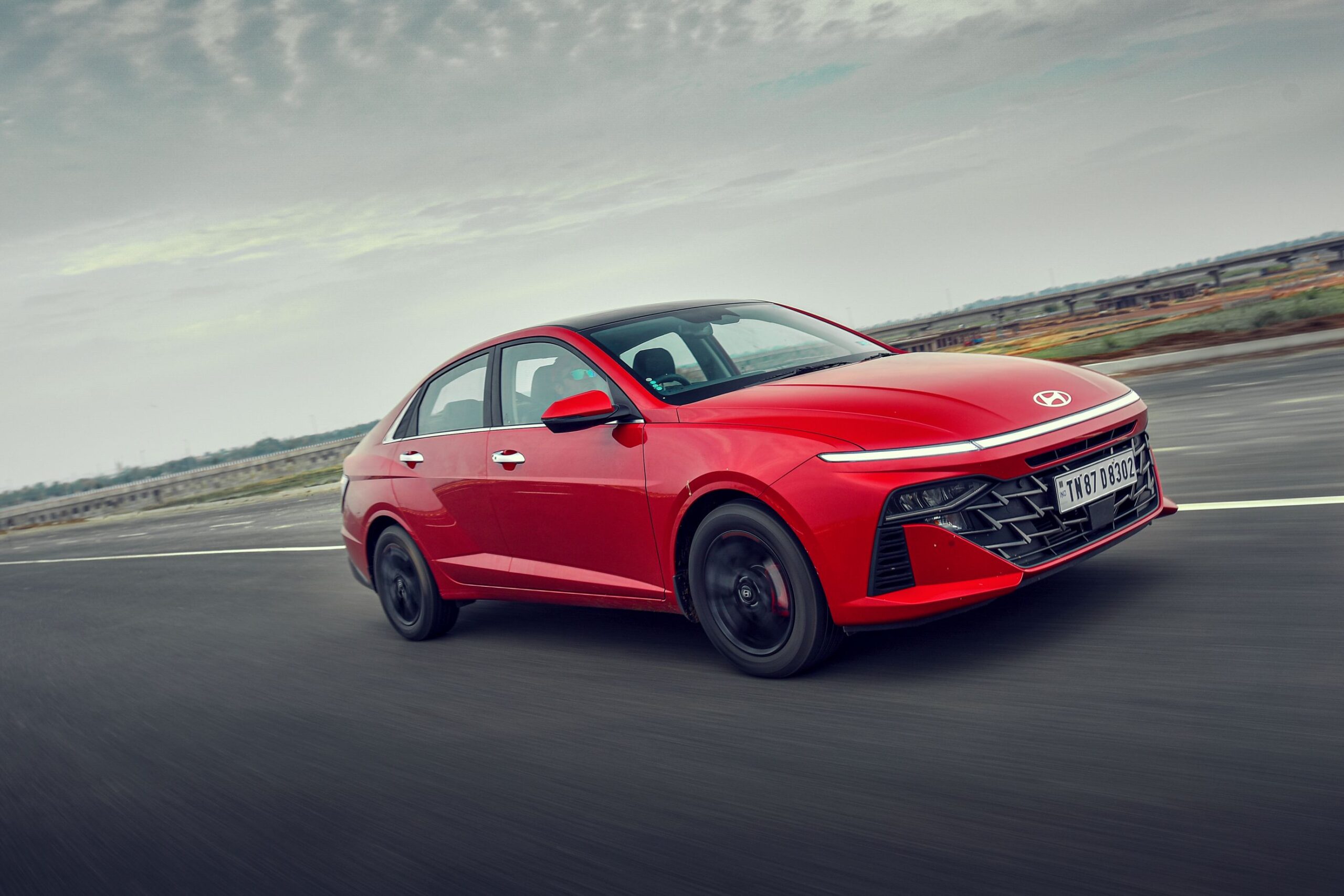
The Hyundai Verna, which recently achieved a 5-star safety rating at Global NCAP, exemplifies the brand’s dedication to passenger protection. In closing, Hyundai India’s ambitious plan to integrate ADAS and advanced connectivity technology across its entire lineup by 2025 represents a significant step forward in ensuring safer and smarter journeys for Indian drivers and passengers. The company’s dedication to safety aligns with the growing need for enhanced vehicle safety in India’s evolving road landscape.