 By
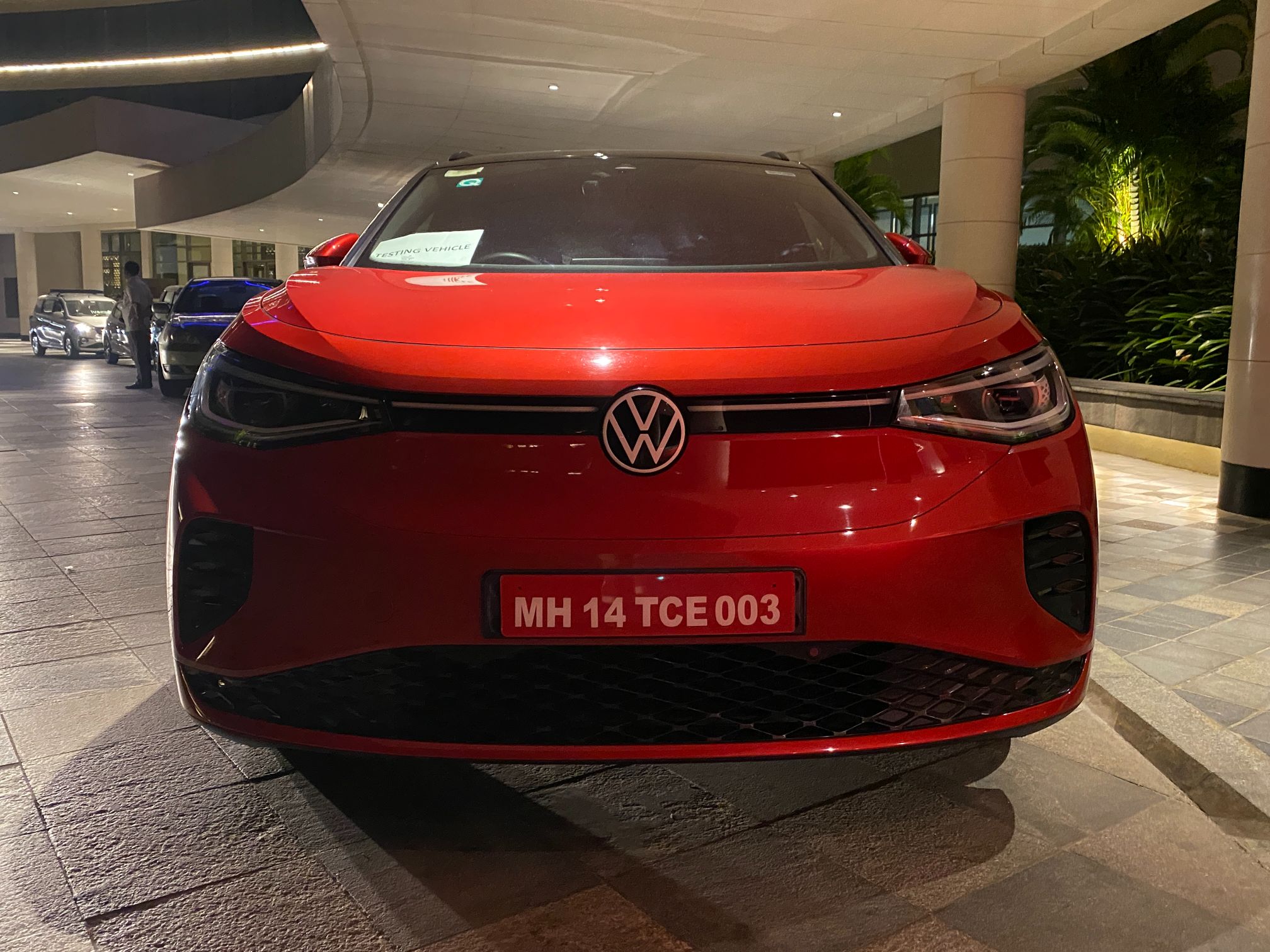
The Volkswagen Group has revealed its strategic approach to localizing electric vehicles (EVs) in the burgeoning Indian market. Oliver Blume, Chairman of the Board of Management of VW Group, disclosed that the company is taking a carefully phased approach and won’t commit to producing affordable, ‘Made in India’ EVs until a compelling business case emerges. Speaking at the IAA Mobility 2023 event in Munich, Blume shed light on the Group’s electrification strategy. He emphasized the importance of aligning product offerings and positioning with the Indian market’s unique dynamics, particularly the need to cater to the lower segment. Blume emphasized, “We have a ramp-up curve for electric mobility, which includes bringing the right products and right positioning, especially for the Indian market, where you also need to address the lower segment. We need some time to ramp up.”
Crucially, the company is adopting a calibrated and adaptable approach for India, with the pace of EV localization guided by the region’s evolving charging infrastructure. This approach underscores the VW Group’s commitment to sustainability and readiness to adapt to local conditions and demands. Over the past five years, Volkswagen has poured substantial investments, totaling Rs 5 billion, into the production of locally made internal combustion engine (ICE) models. However, Thomas Schafer, CEO of Volkswagen Passenger Cars, revealed that the automaker is unlikely to channel fresh investments into pure ICE models. He emphasized the significance of resource allocation for battery electric vehicles (BEVs) instead.
Schafer explained, “If we start work on an ICE model today, it will take three years from now. Hence, (it) doesn’t make sense to be doing so, and instead, the focus should be on conserving the resources for BEVs.” This strategic shift signals the VW Group’s commitment to the global transition toward electric mobility and its recognition of India’s potential as a significant EV market, albeit one that requires a measured and adaptive approach to localization. The automotive landscape in India is evolving, and Volkswagen is positioning itself to be a significant player in its electrified future.