 By
Renault India is gearing up for a remarkable shift in its vehicle lineup by introducing strong-hybrid powertrains to its upcoming cars in the country. This strategic move comes alongside a slew of electric vehicles, with the debut of the electric Kwid anticipated around 2024-2025. The introduction of strong-hybrid powertrains presents an opportunity for Renault to compensate for the loss of efficient diesel engines that were once a hallmark of its offerings. A significant aspect of this endeavour is the localization of these powertrains, aligning with the automaker’s pattern of producing India-specific models like the Kwid, Triber, and Kiger.
Renault’s aim is to contribute to a cleaner and greener future for the Indian automotive landscape. In line with this vision, Venkatram Mamillapalle, MD of Renault India, envisions a diverse portfolio that encompasses strong and plug-in hybrids alongside naturally aspirated and turbocharged petrol engines, a range of EVs, and ethanol-compatible powertrains. Despite the cost implications that have hindered mainstream adoption of plug-in hybrid powertrains in India, Renault is keen on exploring their potential. Remarkably, the company is committed to localizing the production of these advanced powertrains to ensure cost competitiveness. This sets Renault apart as one of the few selected automakers, alongside Toyota and Maruti Suzuki, to take a long-term stance on strong hybrids in the Indian market. Other manufacturers, predominantly Indian and Korean, have placed a stronger emphasis on EVs.
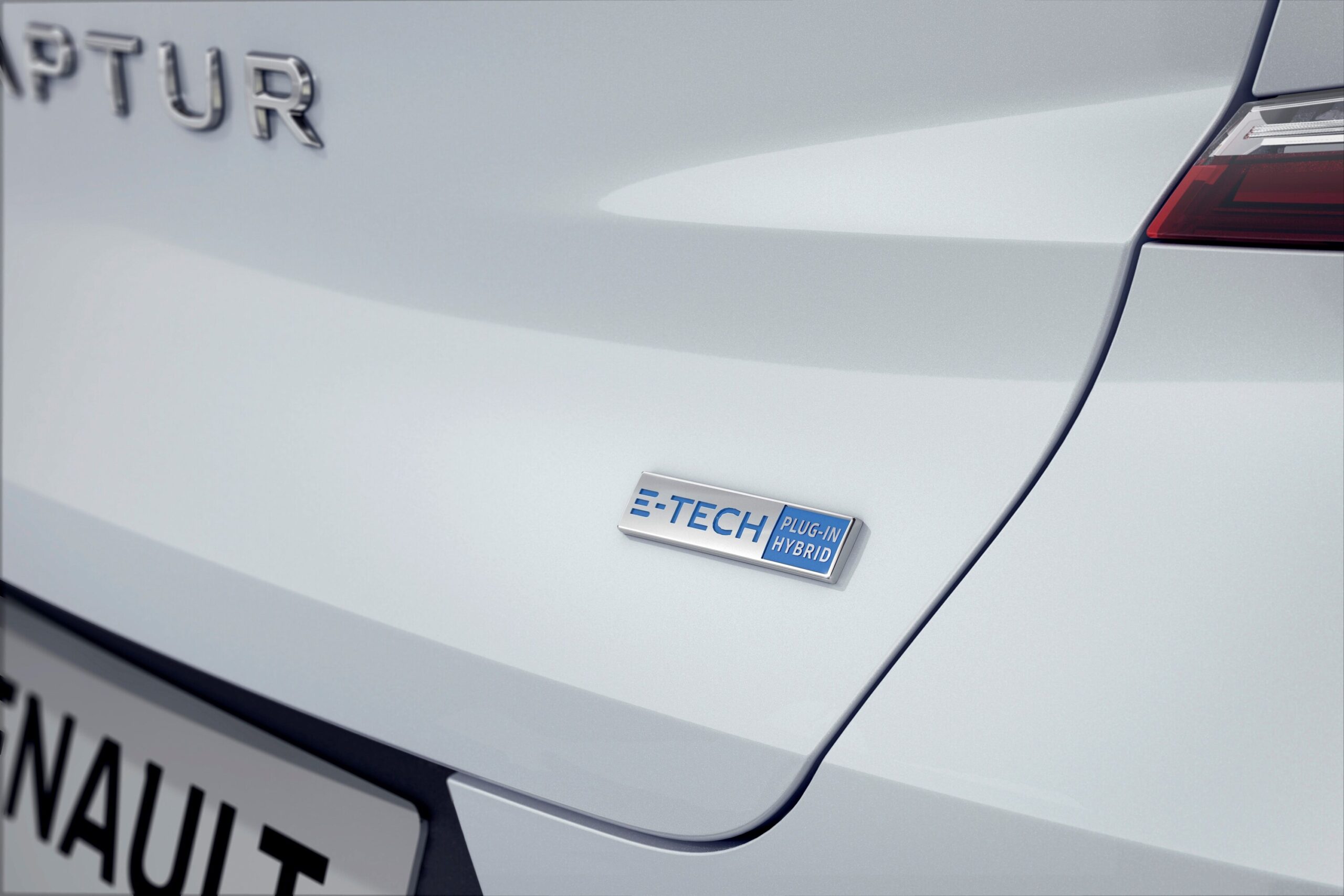
Renault’s strategy coincides with the success of Maruti Suzuki and Toyota’s strong-hybrid offerings, which have gained traction in the market due to their remarkable fuel economy enhancements. Renault’s investment commitment of over Rs 5,300 crore in the next five years, coupled with plans to produce 3.5 lakh vehicles in India, underscores the company’s dedication to this transformative approach. Renault’s strong-hybrid endeavour is epitomized by its E-Tech lineup of engines, boasting two vital powertrains with outputs of 145hp and 160hp. These cutting-edge powertrains incorporate technology derived from Renault’s Formula 1 program and are protected by more than 160 patents.
A fusion of series and parallel architecture, coupled with dual electric motors, defines their operation. The 145hp variant comprises a 49hp motor and a 24hp high-voltage starter generator, paired with a 4-cylinder, 1.6-litre, 94hp petrol engine. A 1.2kWh battery stores electricity, enabling the powertrain to achieve up to 24kpl in standard driving conditions. The E-Tech full-hybrid powertrain exemplifies adaptability, blending internal combustion and electric propulsion in up to 14 different configurations for optimal energy efficiency.
It prioritizes electric motor usage in urban settings, reducing fuel consumption by up to 40 per cent compared to conventional petrol engines. Notably, the 160hp E-Tech model is a plug-in hybrid, possibly destined for Renault’s upcoming models like the Duster or Bigster, slated for India’s market entry in 2025. Powered by a 9.8kWh battery and a 1.6-litre four-cylinder engine, it incorporates two electric motors and an efficient Atkinson cycle mode for improved fuel economy. Renault’s bold move towards strong-hybrid technology reflects its dedication to a sustainable automotive future in India.