 By
Mahindra, in a strategic manoeuvre, is revamping its approach to electric vehicles (EVs) by forging a collaboration with BYD, a prominent Chinese EV manufacturer. This partnership aims to solidify Mahindra’s supply foundation, particularly for the critical battery cells required for its new EV portfolio. This decision follows significant delays in its initial tie-up with Volkswagen for sourcing crucial EV components such as battery cells and electric motors, which were intended for the upcoming INGLO-based SUVs. Initially, Mahindra had entered into an agreement with VW to source essential components for its ambitious lineup of EVs.
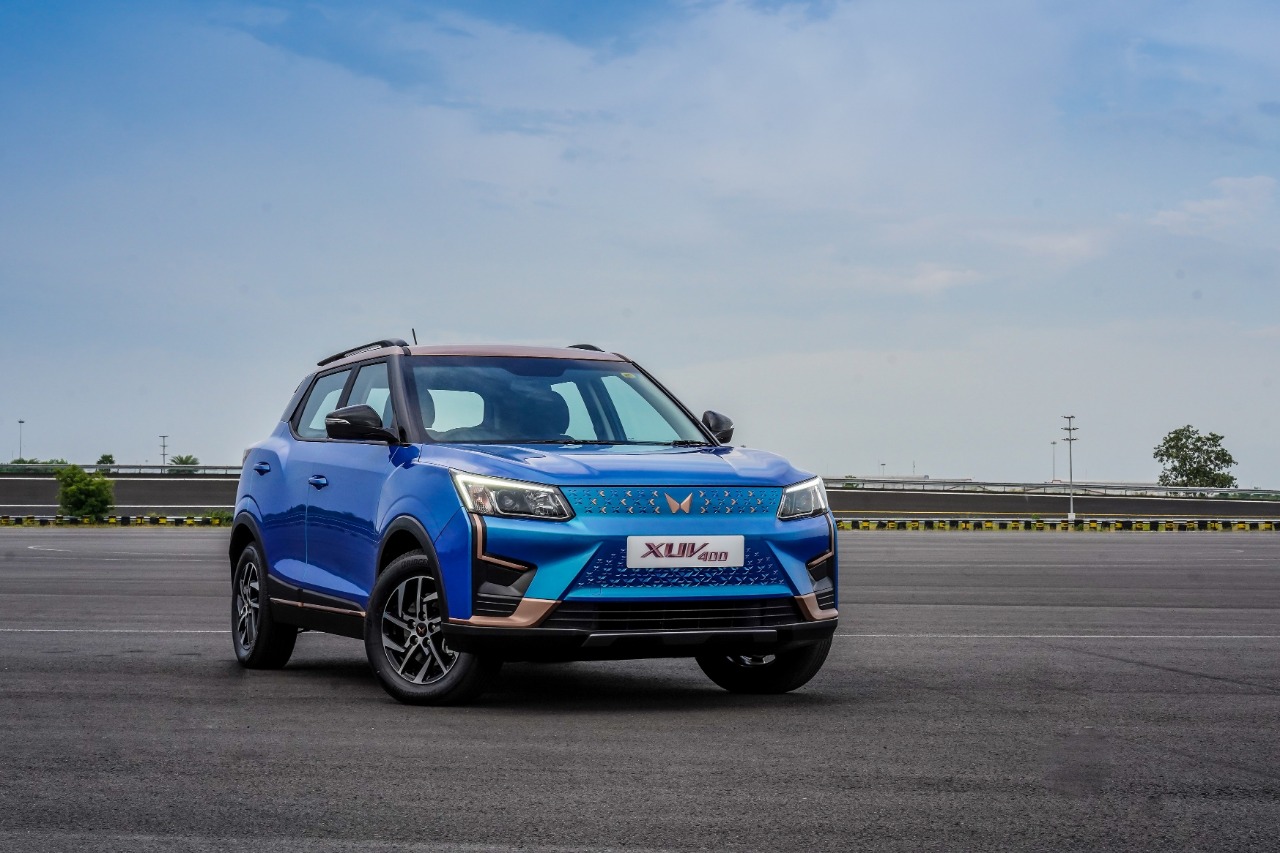
However, the alliance encountered substantial obstacles, primarily related to intricate paperwork, compliance challenges surrounding intellectual property rights (IPR), and other legal complexities. The setbacks faced by Mahindra prompted the company to explore alternative battery suppliers to ensure a consistent supply chain, a valuable lesson drawn from the disruptions witnessed in the aftermath of the COVID-19 pandemic. An immediate challenge for Mahindra was acquiring batteries for the XUV400 model. The Korean battery supplier LG Chem, which previously provided pouch cells with a Nickel-Manganese-Cobalt (NMC) 532 cathode, discontinued this chemistry, leading to a delayed launch for the XUV400. Ultimately, Mahindra managed to secure a reliable battery source from the Chinese battery manufacturer Farasis, which produced cells with similar chemistry and construction to those from LG Chem.
The new collaboration with BYD positions Mahindra to fortify its supply chain for its upcoming EV models. BYD will provide battery cells with capacities of 60kWh and 80kWh, catering to the power requirements of Mahindra’s Born Electric EV range. These battery packs will incorporate Lithium Iron Phosphate (LFP) technology, offering improved energy density and superior thermal management. While Mahindra’s initial plan was to source the 60kWh battery pack from VW and the larger 80kWh pack from BYD, the delays in VW’s next-generation “unified” cell technology have prompted BYD to supply both battery packs at the launch.